News & Media
Featured
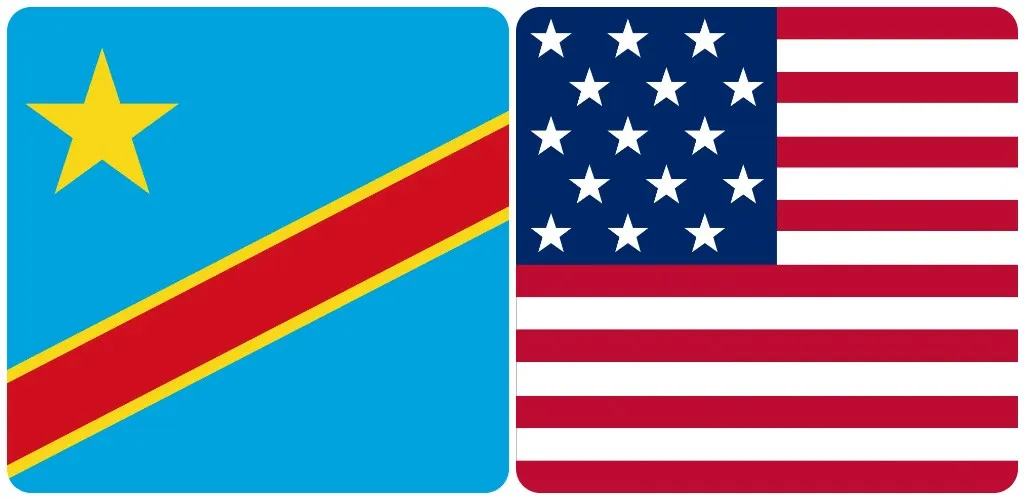
The US vs China: the race for Africa’s critical minerals
Friday, March 7, 2025
Africa is at the centre of a growing geopolitical rivalry between the United States and China due to its vast reserves of critical minerals essential for modern technologies.
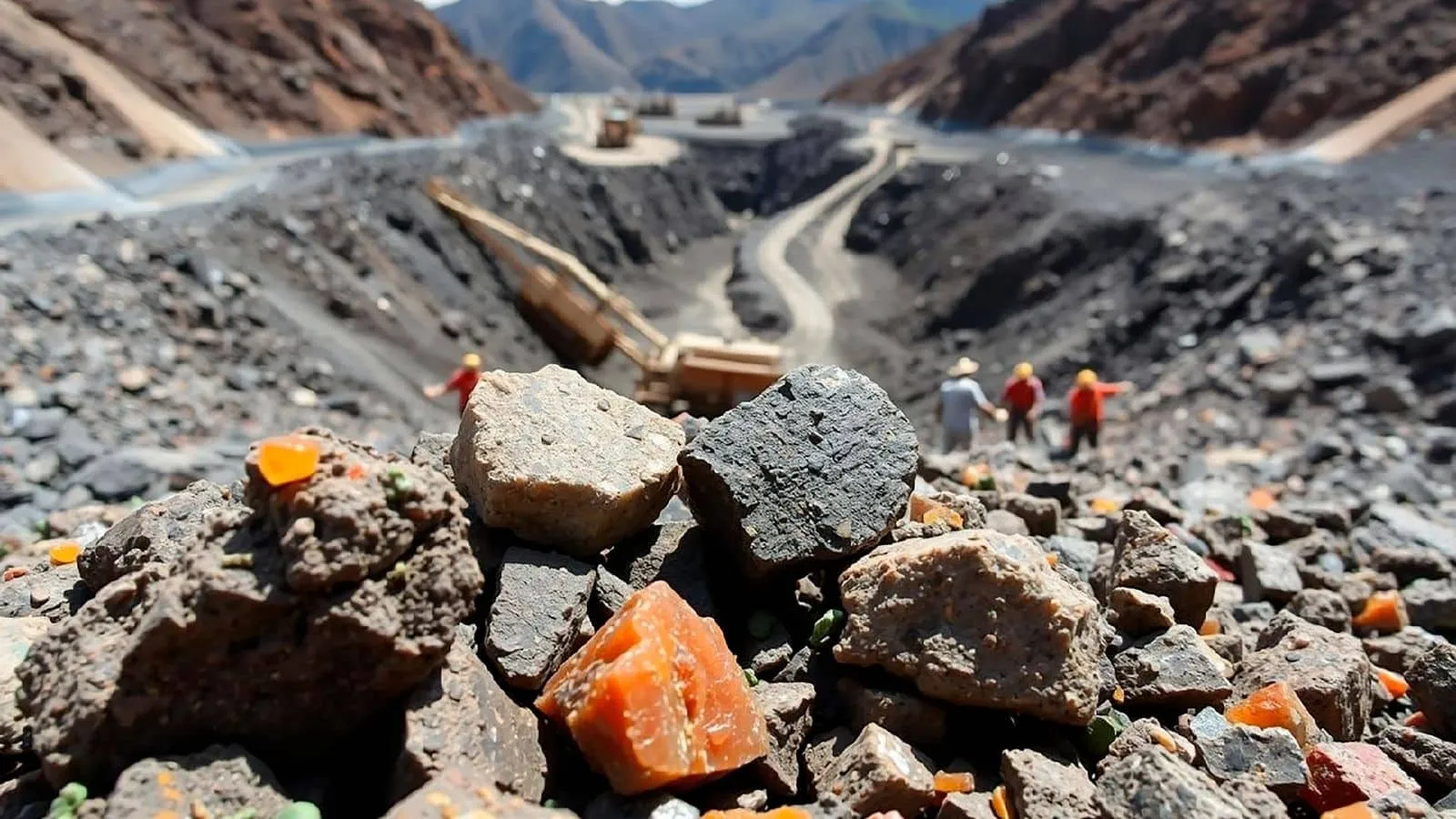
Minerals such as cobalt, lithium, nickel, and rare earth elements are crucial for industries including electric vehicle (EV) production, renewable energy, and advanced electronics. As global demand for these minerals’ surges, both the United States and China have intensified efforts to secure access to Africa’s mineral wealth, leading to strategic investments, diplomatic manoeuvres, and competition for influence on the continent.
China’s Dominance in Africa’s Mining Sector
China has established itself as the dominant player in Africa’s mining sector over the past two decades. Through its Belt and Road Initiative (BRI), China has provided infrastructure investments in exchange for access to raw materials. Chinese companies control a significant share of Africa’s mining operations, particularly in countries rich in critical minerals such as the Democratic Republic of Congo (DRC), Zambia, and Zimbabwe.
The DRC supplies nearly 70% of the world’s cobalt, a key component in lithium-ion batteries. Chinese firms, including China Molybdenum and Zhejiang Huayou Cobalt, have acquired major stakes in Congolese mines, ensuring a steady supply of this crucial mineral.
China has also secured long-term mining contracts by financing infrastructure projects, such as roads, railways, and ports. Countries like Zambia have received Chinese-built infrastructure in exchange for copper mining rights.
Looking beyond mining, China has also positioned itself as the leading processor of critical minerals. African raw materials are often exported to China for refining, giving it an advantage in the global supply chain. China’s deep financial ties with African nations and its control over mineral processing make it difficult for competitors, including the United States, to challenge its dominance.
The United States’ Response
Recognizing China’s stronghold in Africa’s mineral sector, the United States has begun counteracting Beijing’s influence through new partnerships, policy initiatives, and investments. It has collaborated with allies like the European Union, Canada, Japan, and Australia to create secure and diversified supply chains for critical minerals, reducing reliance on China.
In 2022, the U.S.-Africa Leaders Summit emphasized increasing American investments in Africa’s mining industry. The United States’ Development Finance Corporation (DFC) has committed funding to support mining projects in countries like Zambia and the DRC.
The United States is forming partnerships with African nations to develop sustainable mining practices. An example is the Lobito Corridor Project, an initiative with Zambia, the DRC, and Angola aimed at improving transportation networks to facilitate mineral exports.
Also, under the Inflation Reduction Act (IRA) and the Bipartisan Infrastructure Law, the United States has introduced policies that encourage investment in domestic and allied critical mineral sources, limiting dependence on China.
Despite increased efforts, the United States faces several obstacles in competing with China for Africa’s minerals:
- While China has been investing in Africa’s mining sector for decades, the U.S. is a relatively new player, making it difficult to catch up
- Chinese companies have access to vast state-backed funding, whereas U.S. companies rely more on private sector investments, which are often risk-averse.
- Political instability, corruption, and inconsistent regulatory frameworks in some African countries create challenges for U.S. investments.
- Chinese firms have built strong relationships with African governments and local businesses, giving them a competitive edge in securing mining deals.
The Future of U.S.-China Competition in Africa
The U.S.-China rivalry over Africa’s critical minerals is expected to intensify in the coming years. While China has the advantage of existing infrastructure and long-term agreements, the U.S. is working to provide alternative investment models that emphasize transparency, environmental
standards, and fair labour practices. To gain a stronger foothold, the U.S. will need to:
- Expand Investment and Aid: Increasing financial support for African mining projects and infrastructure can help counter China’s dominance.
- Promote Local Value Addition: Encouraging African countries to refine and process minerals domestically, rather than exporting raw materials to China, could create mutually beneficial economic opportunities.
- Enhance Diplomatic Engagement: Strengthening political ties and trade agreements with African nations can facilitate long-term cooperation.
What are the betting odds?
Africa’s critical minerals are at the heart of an economic and strategic battle between the U.S. and China. While China maintains a dominant position through infrastructure investments, refining capabilities, and long-standing agreements, the U.S. is making efforts to provide alternative investment approaches.
The outcome of this competition will shape global supply chains, the clean energy transition, and Africa’s economic future. Ultimately, how African nations navigate this geopolitical rivalry will determine the long-term benefits they derive from their mineral wealth.
However, Donald Trump’s foreign policy opens potential effects on mining in Africa, largely due to his “America First” approach, trade policies, and disengagement from multilateral agreements. His administration’s stance on China, trade, and investment has indirect but significant consequences for Africa’s mining industry.
Market News
Related articles
.webp?language=en)
Articles
Tuesday, October 6, 2026
Gabon’s Milingui iron project moves towards production
After decades of waiting, construction activity is giving new momentum to one of Gabon’s largest iron-ore opportunities.
Articles
Tuesday, October 6, 2026
Africa’s critical minerals: The opportunity of a generation
Geopolitics is fundamentally reshaping the global economy, and nowhere is that shift creating greater challenges - and greater opportunities - than in Africa.
.webp?language=en)
Articles
Monday, October 5, 2026
A new partnership for the DRC’s critical minerals future
What does the Buenassa Deal signal for the DRC’s critical minerals strategy?










-ltd-a325b1d3-6414-476b-9b7e-20c2285d5a51.webp?language=en)


-Primary-Logo.webp?language=en)