News & Media
The Lobito Atlantic Railway: Africa’s Strategic Mining Backbone
Thursday, February 26, 2026
He explores how this Atlantic-facing corridor transforms supply chain resilience, route optionality, and competitiveness for Copperbelt producers in a world of geopolitical pressures and market volatility.
Nicolas also shares what day-to-day partnership looks like on a live corridor, the critical relationships that make it work—from rail-port integration to mining offtake and regional interoperability—and how rail infrastructure can support emissions reduction, local job creation, and improved social outcomes.
He highlights the practical commitments mining companies can make to accelerate corridor performance, proving that logistics innovation can drive both efficiency and impact across the region.
Market News
Related articles
.webp?language=en)
Articles
Tuesday, October 6, 2026
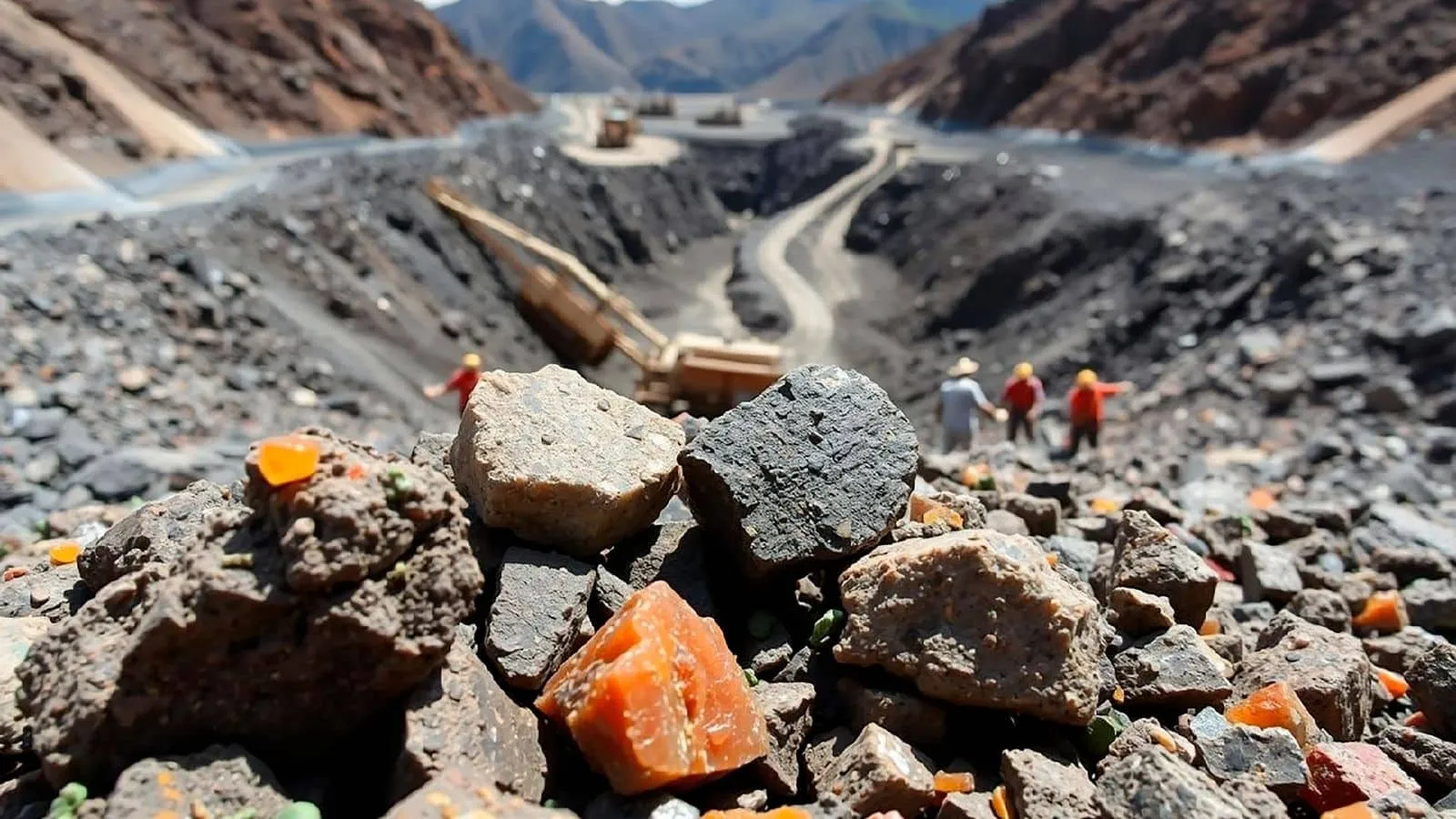
Gabon’s Milingui iron project moves towards production
After decades of waiting, construction activity is giving new momentum to one of Gabon’s largest iron-ore opportunities.
Articles
Tuesday, October 6, 2026
Africa’s critical minerals: The opportunity of a generation
Geopolitics is fundamentally reshaping the global economy, and nowhere is that shift creating greater challenges - and greater opportunities - than in Africa.
.webp?language=en)
Articles
Monday, October 5, 2026
A new partnership for the DRC’s critical minerals future
What does the Buenassa Deal signal for the DRC’s critical minerals strategy?









-ltd-a325b1d3-6414-476b-9b7e-20c2285d5a51.webp?language=en)

-Primary-Logo.webp?language=en)