News & Media
Featured
Synergies Between Mining and Energy: Insights from Eskom’s CEO at Mining Indaba 2025
Thursday, March 13, 2025
In an enlightening interview recorded at Mining Indaba 2025 in Cape Town, Dan Marokane, CEO of Eskom, shared his perspectives on the evolving relationship between South Africa's mining and energy sectors. As the largest energy producer in Africa, Eskom plays a pivotal role in supporting the country's transition towards more sustainable energy practices.
Marokane emphasised the importance of stability and profitability in energy production as a foundation for a just energy transition. He acknowledged that many mining companies have ventured into self-generating energy due to national deficits. However, with Eskom’s strategic focus on operational recovery and renewable energy development, there's a renewed opportunity for collaboration between miners and energy providers.
The conversation also explored the liberalisation of the energy market, highlighting the shift from consumers to prosumers and the potential for mines to sell energy back to the grid. With regulatory reforms underway, establishing a National Transmission Company is paving the way for a more dynamic interaction between energy generators and consumers.
Marokane addressed the challenges of load shedding, explaining the measures Eskom is taking to increase capacity and maintain energy availability. He reassured that while progress has been made, the country remains vulnerable until additional capacity can be ensured.
For a comprehensive understanding of the future of mining and energy in Africa and to hear more about Eskom’s strategic plans, watch the full interview: https://miningindaba.com/articles/mitv-future-eskom-mining-industry
Interested in attending Mining Indaba 2026? Register your interest and receive the latest event updates.
Market News
Related articles
.webp?language=en)
Articles
Tuesday, October 6, 2026
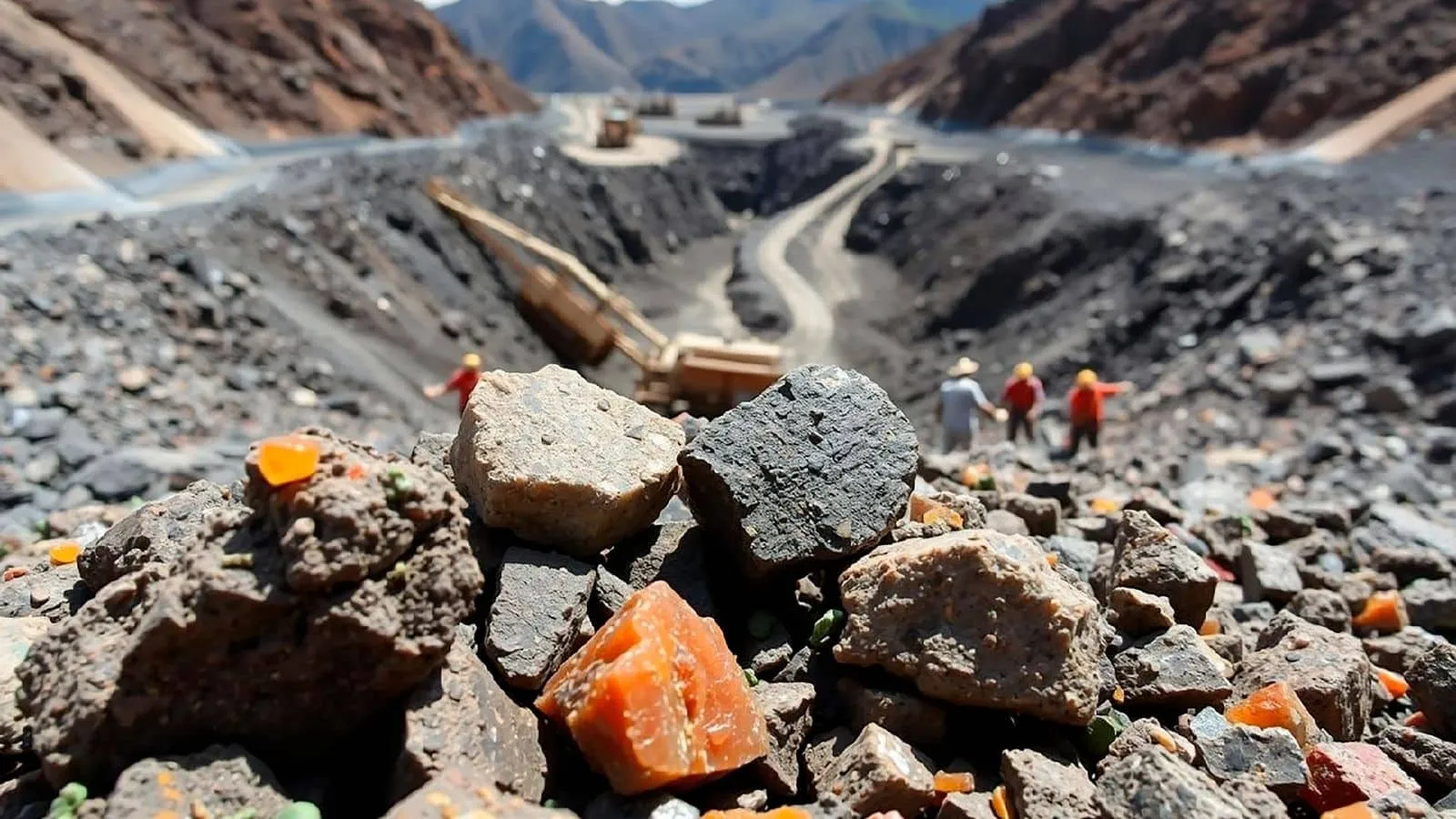
Gabon’s Milingui iron project moves towards production
After decades of waiting, construction activity is giving new momentum to one of Gabon’s largest iron-ore opportunities.
Articles
Tuesday, October 6, 2026
Africa’s critical minerals: The opportunity of a generation
Geopolitics is fundamentally reshaping the global economy, and nowhere is that shift creating greater challenges - and greater opportunities - than in Africa.
.webp?language=en)
Articles
Monday, October 5, 2026
A new partnership for the DRC’s critical minerals future
What does the Buenassa Deal signal for the DRC’s critical minerals strategy?








-ltd-a325b1d3-6414-476b-9b7e-20c2285d5a51.webp?language=en)

-Primary-Logo.webp?language=en)