News & Media
Featured
How is innovation reshaping exploration and development?
Siobhan Listmore-Scott
Thursday, October 30, 2025
What's in this article
S&P calculated development times by including the large number of undeveloped projects, rather than just the three mines that have come into production since 2023. S&P also tracked the speed of development of mines for different commodities. Copper is the slowest to develop, at 24.1 years, while gold is the fastest, at 20.8 years.
According to governments, juniors on the ground and mining services working within the continent, however, work is being done to accelerate timelines. During last year’s Mining Indaba government representatives from South Africa, the DRC and Zambia assures delegates that they were working to speed up the time it takes to get a mine online.
While the risk factor is indisputable, however, that doesn’t mean that there is not a flurry of activity on the ground. Mining IQ’s Project Pipeline has picked out 42 projects of interest, with Aya Gold’s silver expansion in Morocco scoring the highest on the list. Closely behind is Endeavour Mining’s Assafou gold project, in Côte d’Ivoire, which scored 76 on the PPI. Assafou is expected to deliver 329,000oz at AISC of $892/oz at $2,000/oz gold price for the first 10 years of the 15-year LOM. It holds an NPV5% of $2.5 billion and after-tax IRR of 40% at $2,500/oz gold price.
ESG
As well as scoring highly on the PPI, Endeavour’s ESG score is also high. According to the Mining IQ ESG Mining Company Index, Endeavour was the seventh globally on Safety, with a total recordable injury frequency of 0.89 per million hours worked, compared to the average of 4.01. Overall, it ranked eighth of the 61 companies featured. This is also due in large part to the investments it makes within the communities it operates in.
Speaking to services companies working within Africa, a picture is painted of a continent which is using cutting edge technology in (sometimes) unchartered territories. They say that operating in Africa can mean faster permitting times, shorter construction lead times, lower capital intensity and fewer capex blowouts.
Services
For service providers, such as Lycopodium, geopolitical risk doesn’t really factor in to the same level as it would for a mining company. Its job is to provide the services, manage the project and deliver an end result to companies hoping to start a mine. Lycopodium has worked on over 450 projects worldwide and has been in Africa since 1994. According to Peter de Leo, managing director, contracting their services is seen as a way to de-risk a project.
Technology
AI is powering mining discoveries and accelerating projects in the continent. For Botswana Diamonds, its use of AI in prospecting saw it be awarded four new prospecting licences in the country. A noticeable trend in AI assisted mineral exploration is the heavy reliance on the proximity to known mineralisation. While valuable, this
“near-ology” approach has limitations: AI is trained to identify similar targets while potentially missing new discoveries in less explored areas.
For example, Kobold Metals’ Mingomba Copper Project in Zambia, which lies between the Konkola and Lubambe Mines. While it was announced that Mingomba contains 247Mt of ore, with an average grade of 3.64% copper, the lack of a publicly available technical report makes it difficult to verify these claims.
Spotlight Sessions for Exploration and Junior Mining Companies at MI26
Market News
Related articles
Thursday, August 20, 2026
Exxaro delivers resilient half-year performance as diversification gains momentum
Exxaro has reported a resilient H2 performance, with CEO Ben Magara pointing to operational discipline, cash generation and a diversified portfolio as key strengths in navigating a volatile economic environment.
Wednesday, August 19, 2026
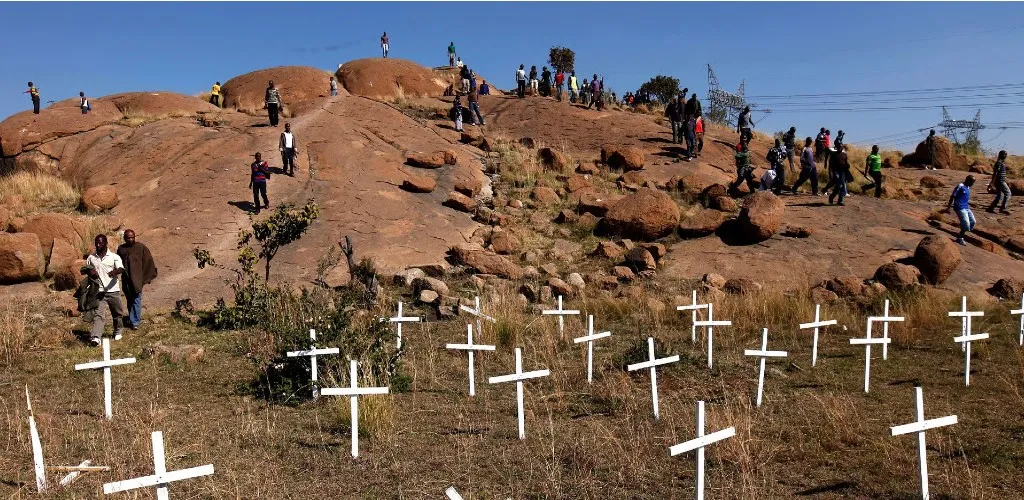
Marikana: Mining industry urged to turn remembrance into renewal
Sibanye-Stillwater says the legacy of Marikana must be measured through trust, dignity and shared economic opportunity.
Articles
Tuesday, August 18, 2026
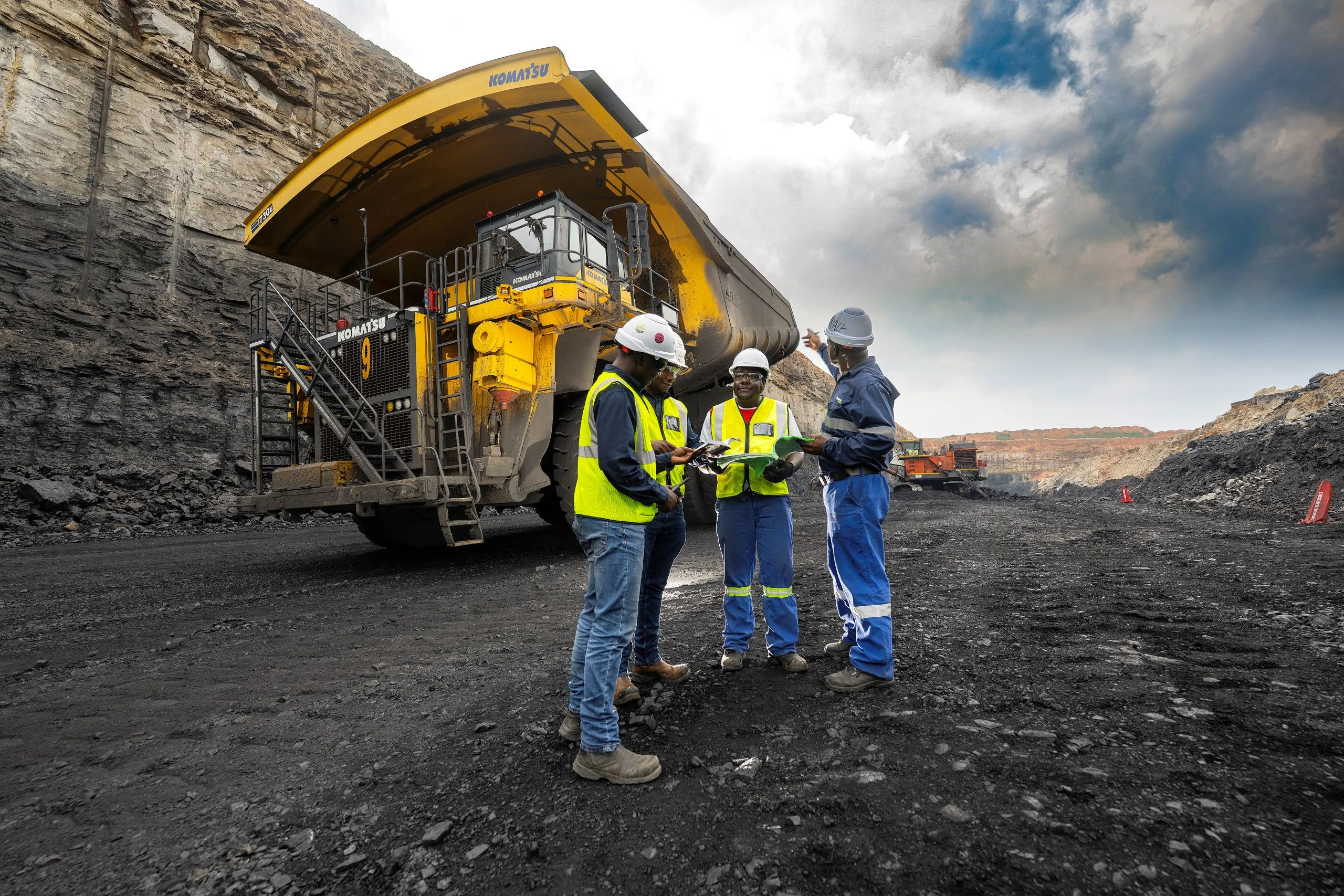
Thungela strengthens coal platform with rail recovery and asset extensions
Thungela sold 7.4 Mt into the export market during H1,26, including 600,000 t of third-party coal. Export sales exceeded production, with the company able to leverage additional rail allocation opportunities alongside an improvement in Transnet Freight Rail's performance.