News & Media
Governance & transparency in Africa's mining sector
Thursday, February 20, 2025
With global demand surging for cobalt, lithium, and rare earth minerals, the risk of corruption in supply chains is higher than ever. Robinson explores how EITI’s mechanisms can ensure African nations and communities receive fair value from their resources.
Key topics include strategies to prevent corruption in Africa’s critical mineral supply chains, ensuring mining revenues translate to tangible benefits for local communities, addressing South Africa’s resistance to EITI membership amid transparency concerns, the impact of deep-sea mining and how EITI adapts its disclosure requirements, balancing Africa’s long-term value retention with the global demand for critical minerals, lessons from oil and gas transparency applicable to renewable energy projects, the role of technology, including blockchain and AI, in improving real-time transparency, and EITI’s evolving strategy (2024–2028) to address climate resilience alongside anti-corruption efforts.
Join us as we dive deep into governance, policy, and the future of responsible resource management in Africa.
Market News
Related articles
.webp?language=en)
Articles
Tuesday, October 6, 2026
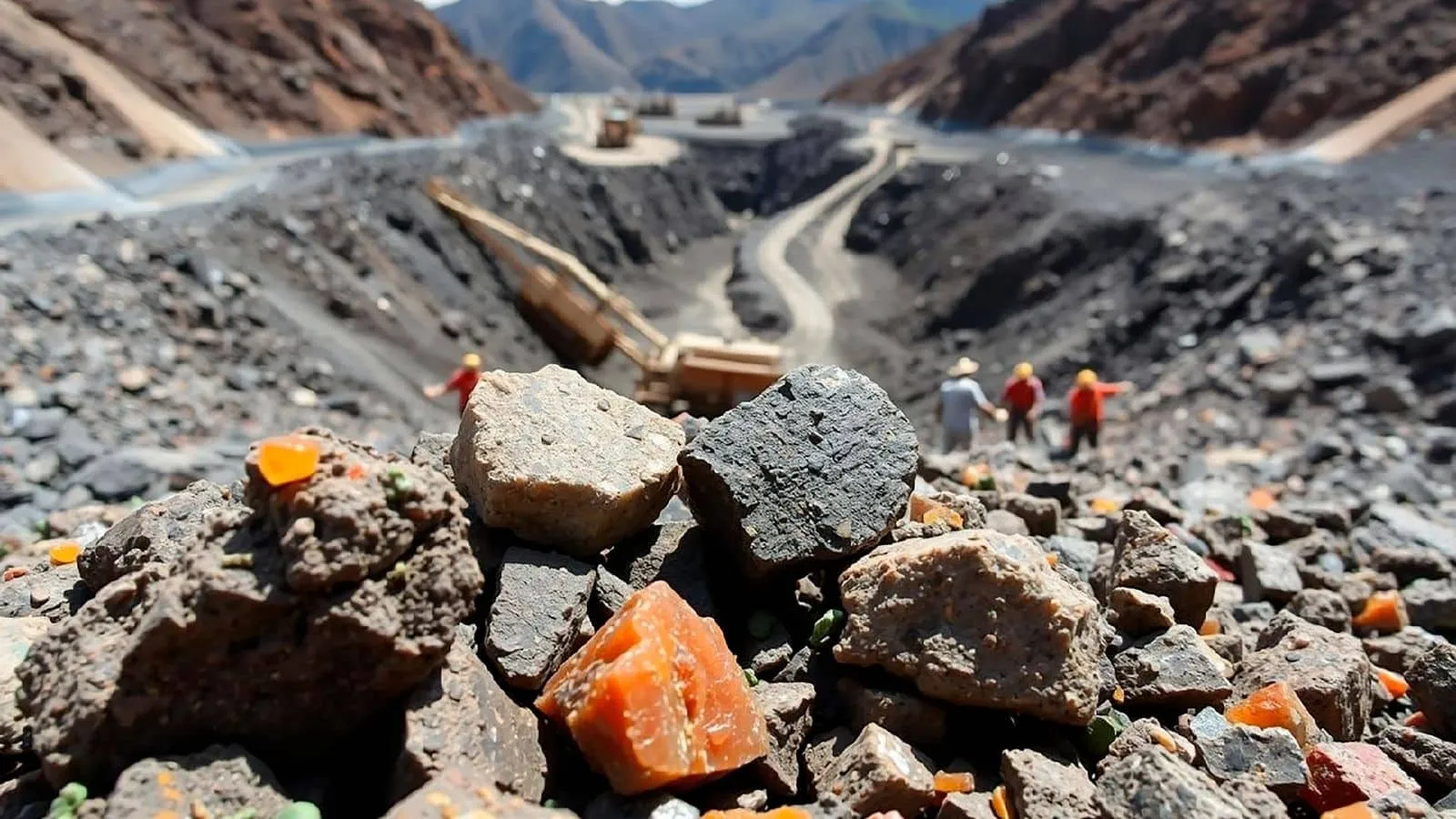
Gabon’s Milingui iron project moves towards production
After decades of waiting, construction activity is giving new momentum to one of Gabon’s largest iron-ore opportunities.
Articles
Tuesday, October 6, 2026
Africa’s critical minerals: The opportunity of a generation
Geopolitics is fundamentally reshaping the global economy, and nowhere is that shift creating greater challenges - and greater opportunities - than in Africa.
.webp?language=en)
Articles
Monday, October 5, 2026
A new partnership for the DRC’s critical minerals future
What does the Buenassa Deal signal for the DRC’s critical minerals strategy?




-ltd-a325b1d3-6414-476b-9b7e-20c2285d5a51.webp?language=en)

-Primary-Logo.webp?language=en)