News & Media
Gold Fields gives green light to 40MW solar development at South Deep, S.A.
Tuesday, June 1, 2021
The South Deep mine in South Africa will generate over 20% of the average electricity consumption, comprising of 116,000 solar panels and cover a 118ha area (roughly the size of 200 soccer fields) and will be based at the mine. This follows the grant of a licence by the National Energy Regulator of South Africa.
It is estimated that the capital investment for the plant is R660m including contingencies and escalation and will be funded from the mine’s positive cash-flows over the next two years. The use of self-generated, renewable energy will consist of savings around R120m on the cost of electricity per year. . In 2020, renewable electricity at the company averaged just 3%. After commissioning the South Deep project, the renewable’s contribution to the group will rise to approximately 11%. South Deep is finalising procurement strategies and contractor criteria for the construction of the plant, which will begin during Q2 2021, and expected to be commissioned during Q2 2022.\
“It’s the first South African mine to build and operate our own solar plant of this scale, ensuring greater reliability of power supply whilst reducing costs currently consisting of 13% of the mine’s operating costs.” Says Chris Griffith, CEO at Gold Fields. “Helping to reduce our carbon footprint by around 100,000 tonnes of CO2 a year. Enhancing the sustainability of the South Deep mine but contributing to Gold Fields’ long-term commitment to carbon neutrality.”
In addition, it has been noted that 240 jobs will be created during the construction phase as a team of 12 people will be required to operate the plant. As well as any goods and services required to build the solar plant will be locally sourced within South Africa.
Griffith also noted that the profitable mine and a sustainable business can help to continue to employ and develop employees, contributing to community development whilst supporting the livelihoods of the local community.
For more information on the solar plant development, click here.
Market News
Related articles
.webp?language=en)
Articles
Tuesday, October 6, 2026
Gabon’s Milingui iron project moves towards production
After decades of waiting, construction activity is giving new momentum to one of Gabon’s largest iron-ore opportunities.
Articles
Tuesday, October 6, 2026
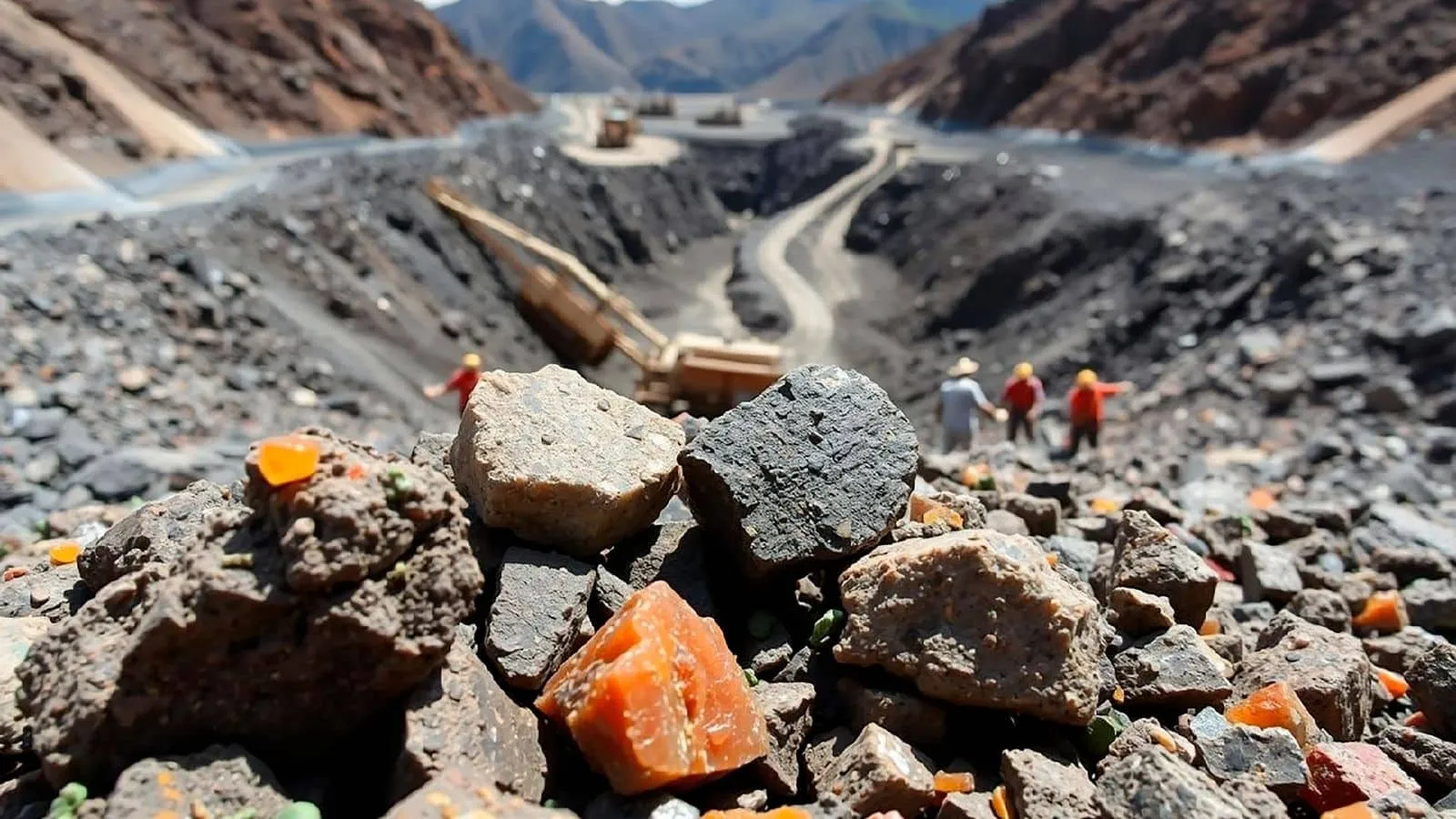
Africa’s critical minerals: The opportunity of a generation
Geopolitics is fundamentally reshaping the global economy, and nowhere is that shift creating greater challenges - and greater opportunities - than in Africa.
.webp?language=en)
Articles
Monday, October 5, 2026
A new partnership for the DRC’s critical minerals future
What does the Buenassa Deal signal for the DRC’s critical minerals strategy?

-ltd-a325b1d3-6414-476b-9b7e-20c2285d5a51.webp?language=en)

-Primary-Logo.webp?language=en)